

iACTwithPain
e-Health web app — UX/UI & frontend
Chronic pain can be defined as persistent pain lasting more than three months; it affects a large share of adults and can impact mobility, quality of life, and productivity. iACTwithPain is an e-health web application focused on ACT- and compassion-based intervention tailored to chronic pain. Through an online intervention of eight weekly sessions, it supports patients in relating to pain with greater acceptance.

End users
End users are primarily adults with frequent pain conditions; the product prioritizes simple, intuitive flows and tasks that can be completed quickly, including during difficult periods. The application includes modules with explanations, video, exercises, support material, daily tasks, audio, and other practices.
My role
As designer, I led visual identity, prototyping, user research, and usability testing, with a clear and accessible interface for patients seeking treatment to improve quality of life.
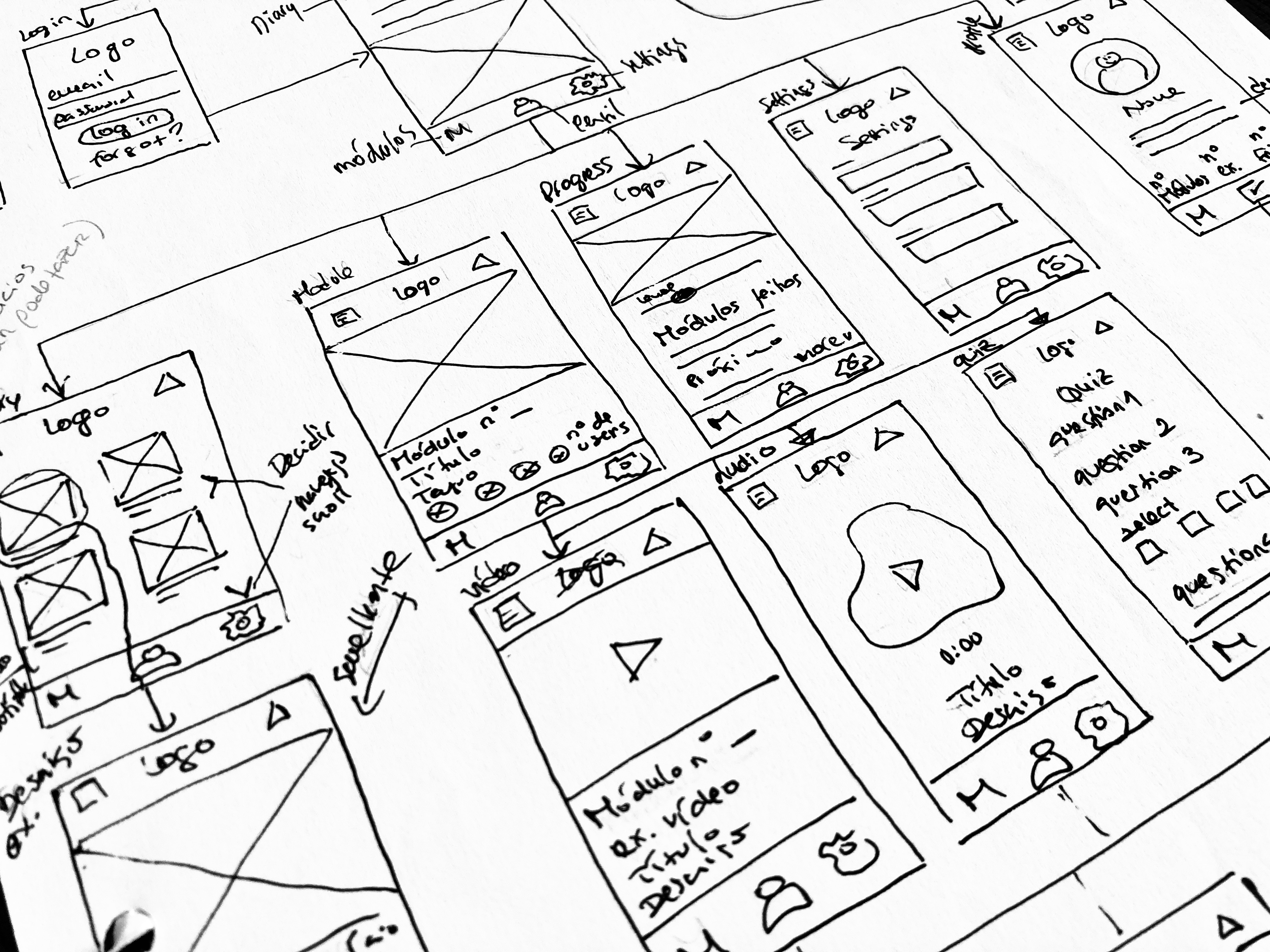
Ensuring that users felt accompanied by health professionals during the online intervention was a priority: fast access, intuitive navigation, and dialogue oriented to the patient.
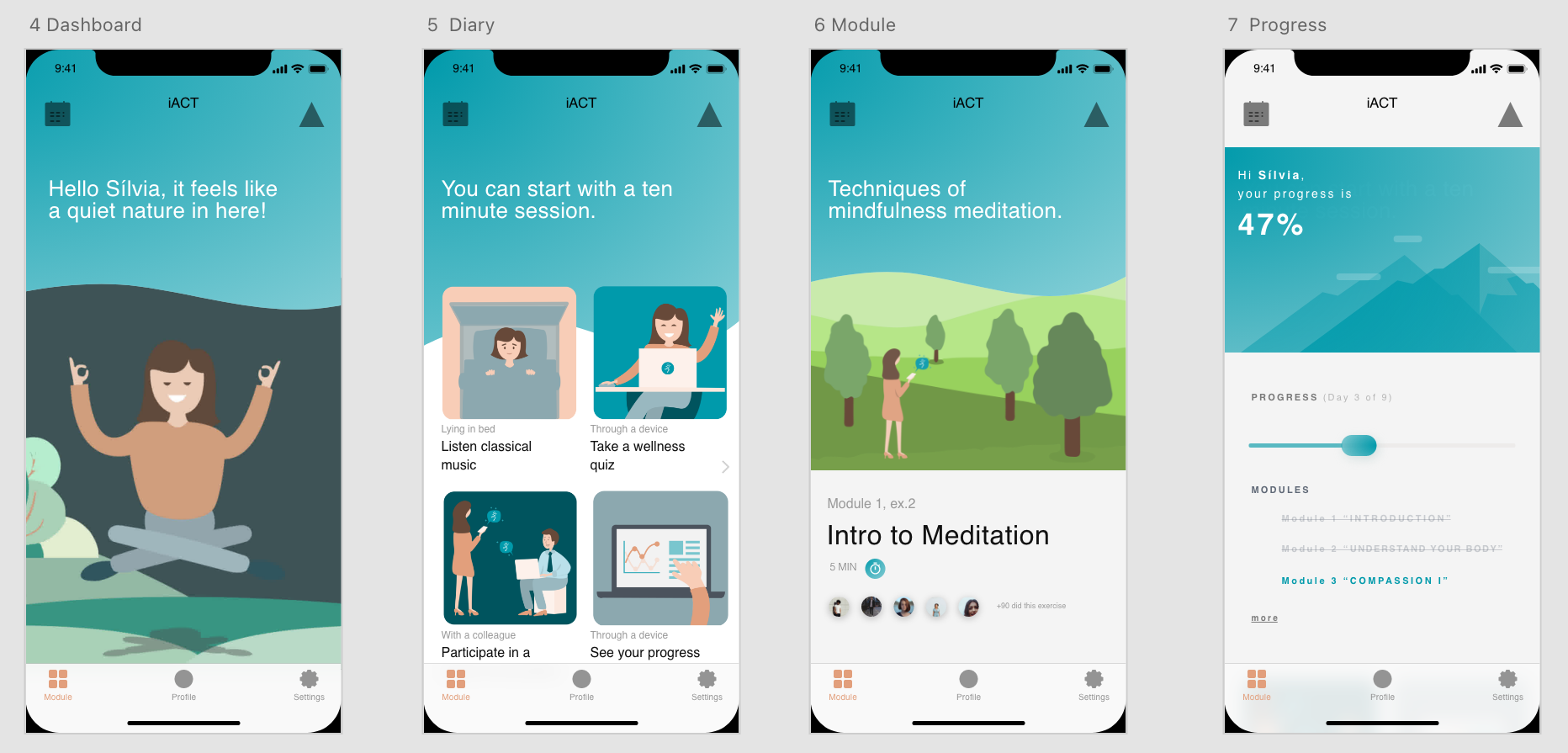
As a developer, I implemented the app and tested functionality and UX across browsers and devices, including navigation tracking to support care workflows.
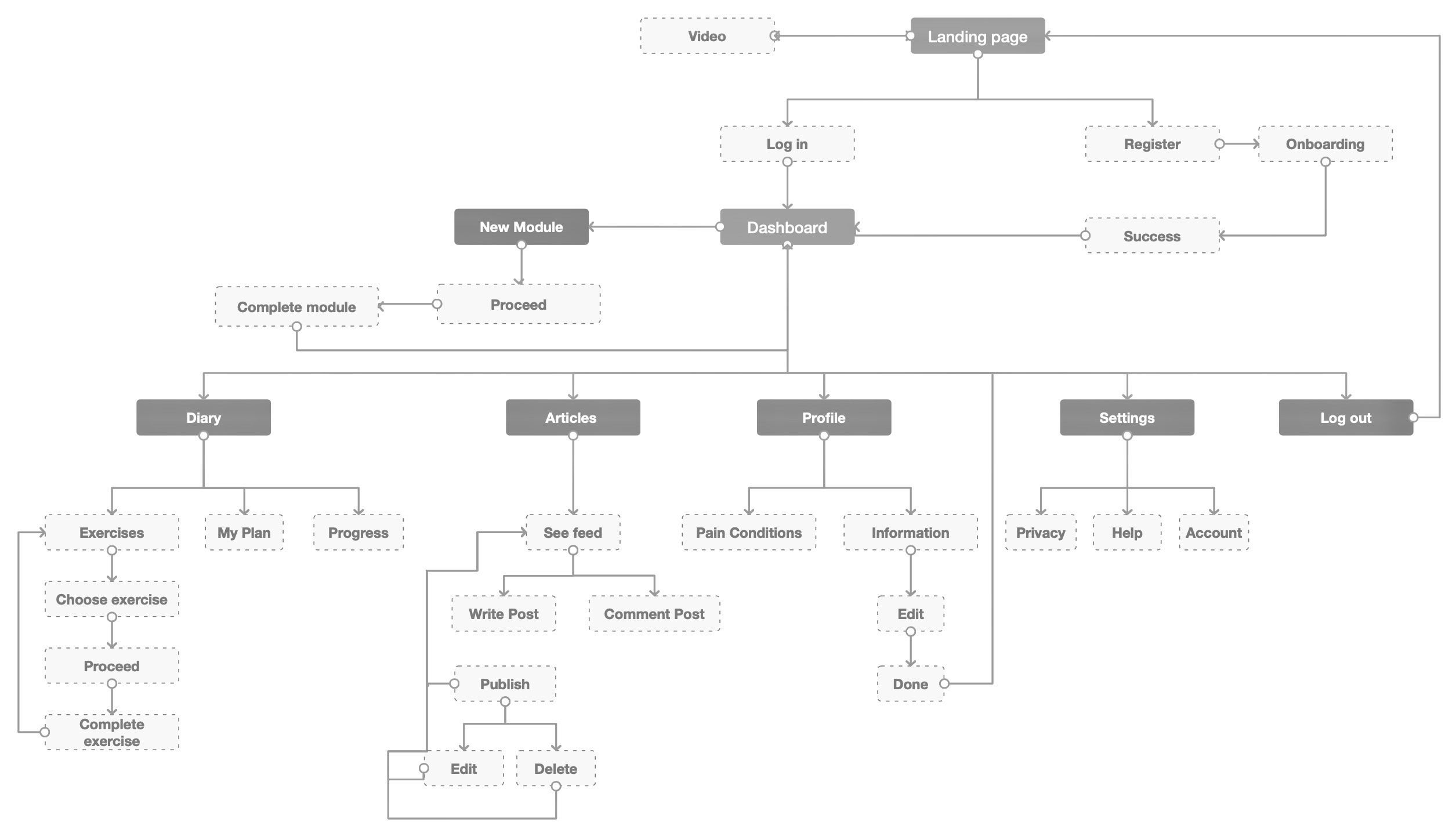
Usability testing
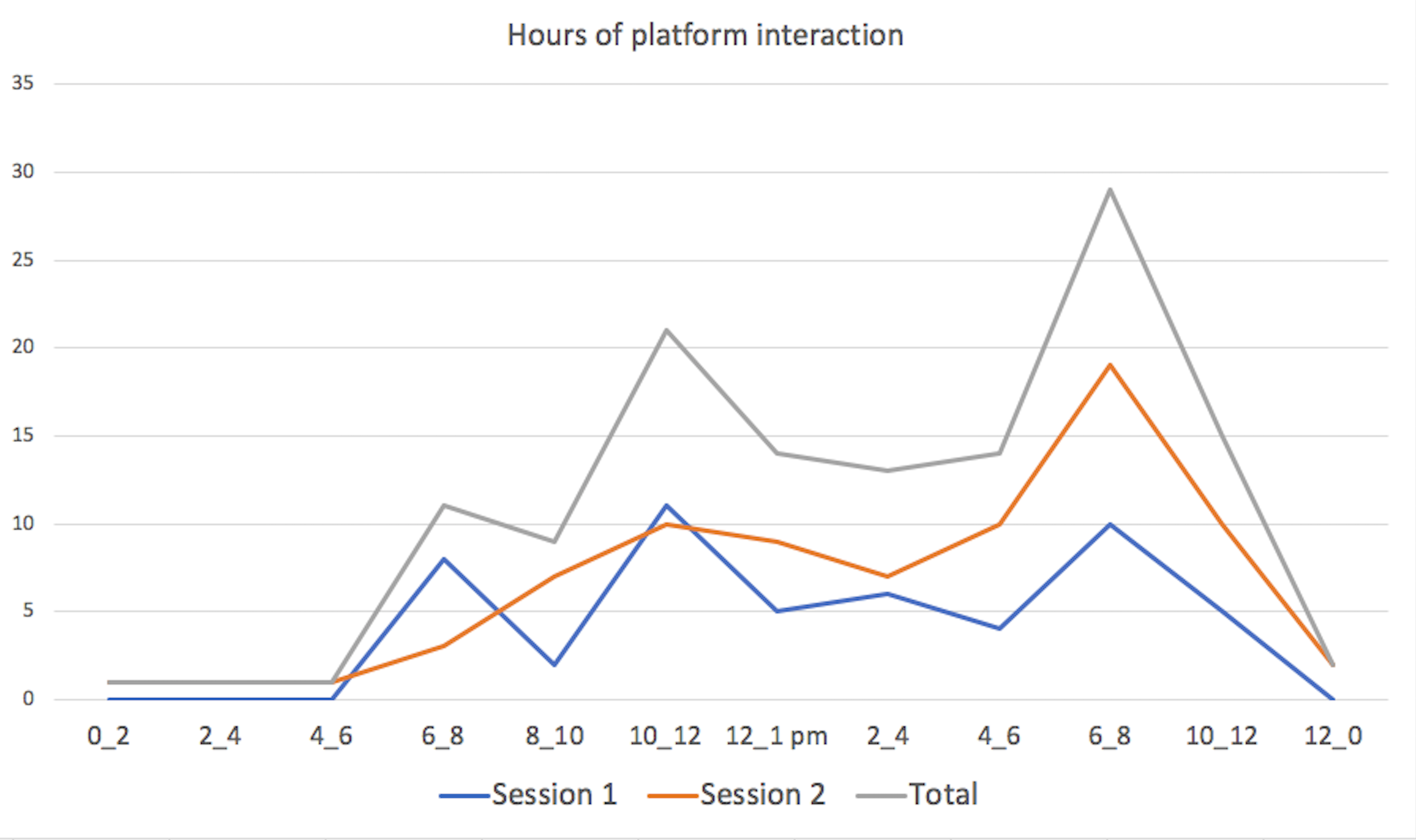
For one month (four treatment sessions), ten patients used and tested the application. Usage clustered in late morning and early evening, as summarized in the table below.
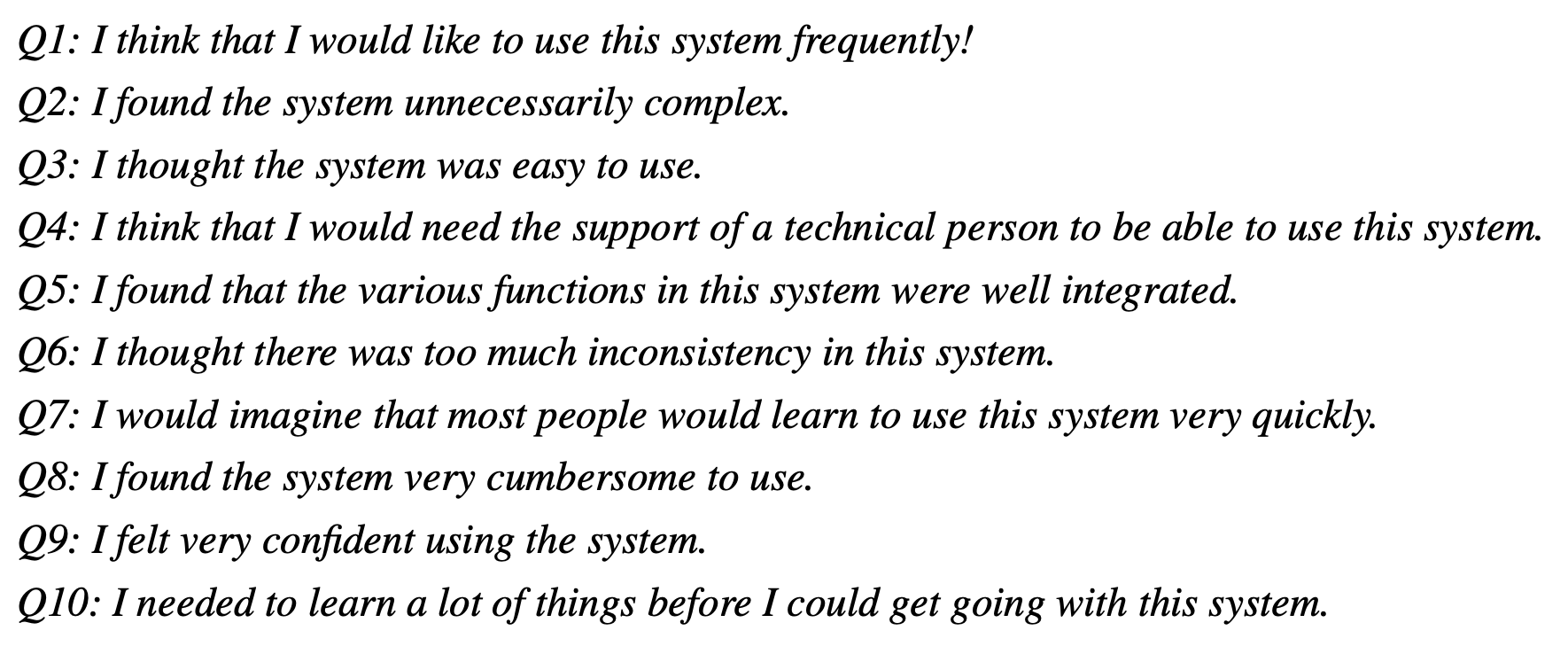
We integrated the System Usability Scale (SUS) to measure perceived usability. On average the platform was rated highly; results informed iteration of remaining sessions.
Conclusion
User feedback drives continuous improvement. Close contact with participants and focus on their interaction throughout the product experience shaped the work.